A Guide to Asphalt Repair: Tackling Potholes and Cracks Effectively


Understanding Asphalt Damage
Asphalt is a popular choice for roads and driveways due to its durability and cost-effectiveness. However, over time, wear and tear from traffic and weather can lead to cracks and potholes. Understanding the causes of these issues is the first step in effective asphalt repair.
Potholes are often the result of water seeping into the ground beneath the asphalt. When this water freezes and expands, it causes the asphalt to crack and eventually break apart. Cracks, on the other hand, can be caused by a variety of factors including temperature fluctuations, heavy loads, and aging.

Essential Tools and Materials
Before tackling asphalt repair, it's important to gather the right tools and materials. Here's a quick checklist:
- Crack filler: Used to seal small cracks and prevent water from entering.
- Asphalt patch: Ideal for filling potholes and larger damaged areas.
- Tamper: Helps in compacting the asphalt patch for a smooth finish.
- Broom and shovel: Necessary for cleaning the repair area.
- Sealant: Offers a protective layer to extend the lifespan of the repair.
Having these tools on hand ensures you're prepared to address any asphalt damage quickly and effectively, minimizing further deterioration.
Step-by-Step Repair Process
Repairing asphalt may seem daunting, but by following a systematic approach, you can achieve professional results. Here's a step-by-step guide:
1. Cleaning the Area
Begin by removing any loose debris, dirt, or vegetation from the damaged area using a broom and shovel. This ensures that the repair materials adhere properly to the existing asphalt.
2. Filling Cracks
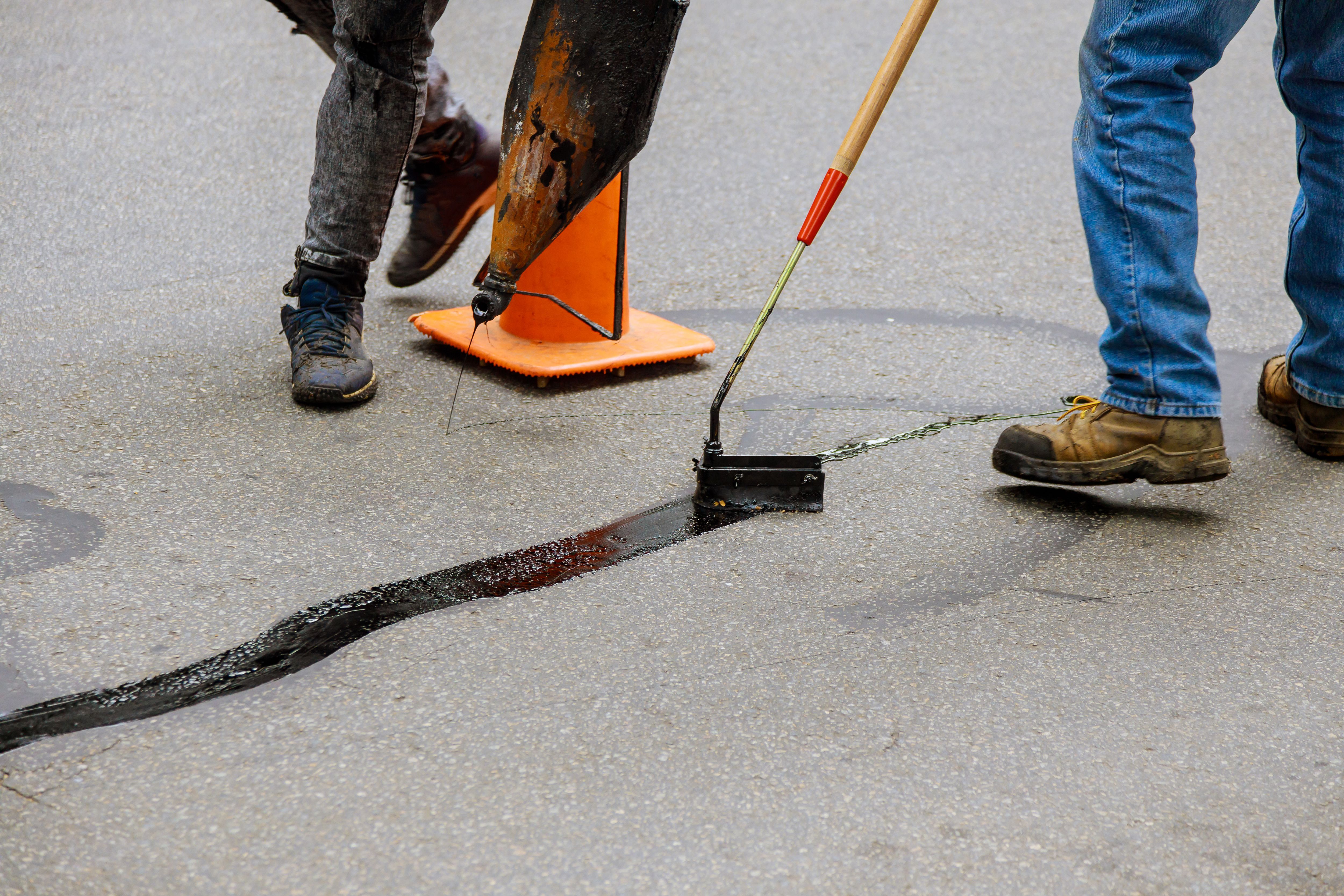
For small cracks, apply a crack filler using a caulking gun or pour directly from the container. Smooth the filler with a putty knife and allow it to dry completely.
3. Repairing Potholes
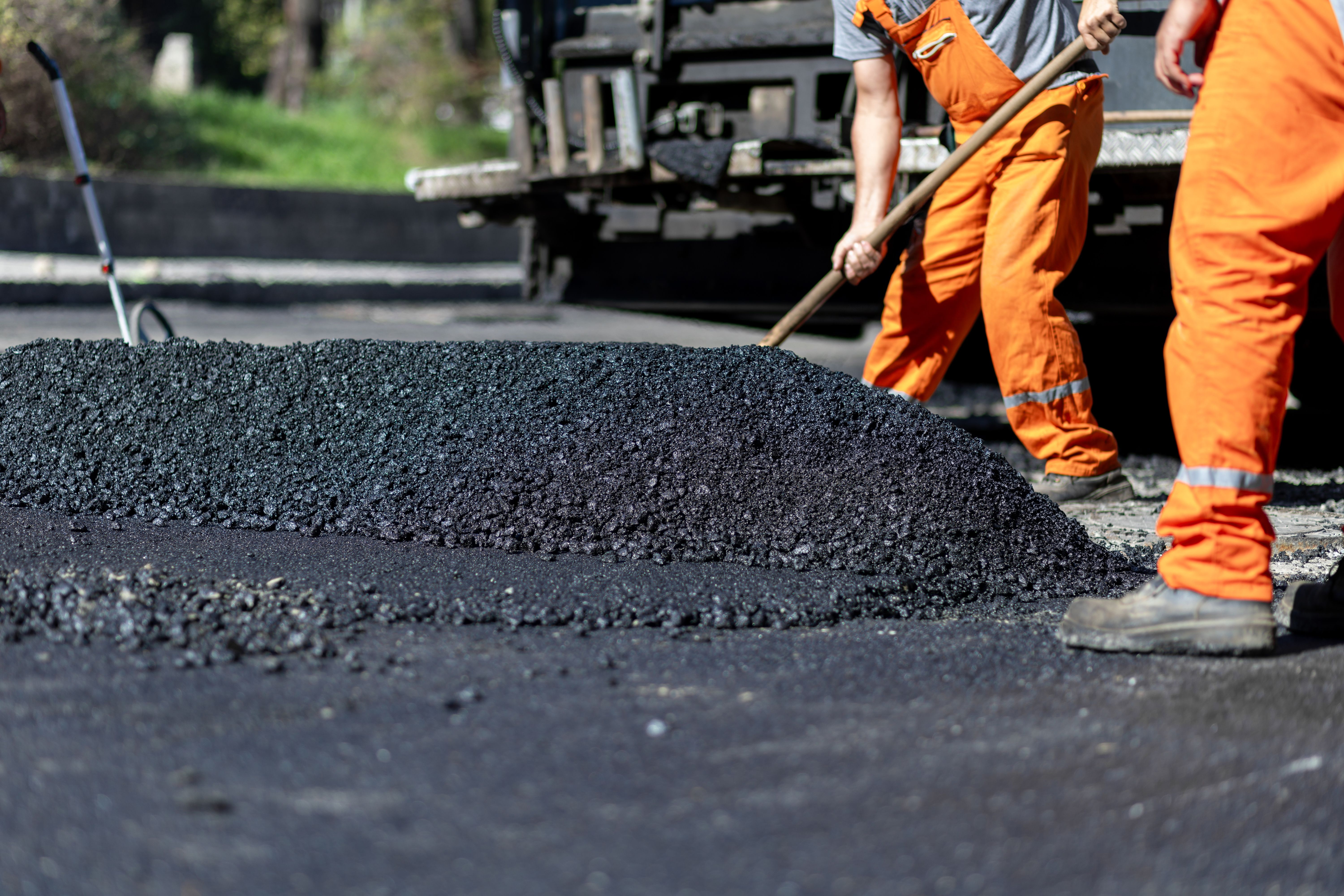
For potholes, fill the area with an asphalt patch, slightly overfilling to account for compaction. Use a tamper to compact the patch until it's level with the surrounding surface.
Finishing Touches
Once the repairs are complete, apply a sealant over the repaired areas. This not only enhances the appearance but also provides a protective barrier against future damage. Regular maintenance, such as sealing every few years, can significantly extend the life of your asphalt surface.
Proper asphalt repair is crucial for maintaining safe and functional roads and driveways. By understanding the process and using the right materials, you can tackle potholes and cracks effectively, ensuring a smooth and durable surface for years to come.