
Comparing Sealcoating vs. Asphalt Overlay: Which is Best for Your Lot?


Understanding Sealcoating and Asphalt Overlay
Maintaining a parking lot or driveway is crucial for both functionality and aesthetics. Two popular methods for preserving asphalt surfaces are sealcoating and asphalt overlay. Understanding the differences between these two options can help you make an informed decision for your lot.
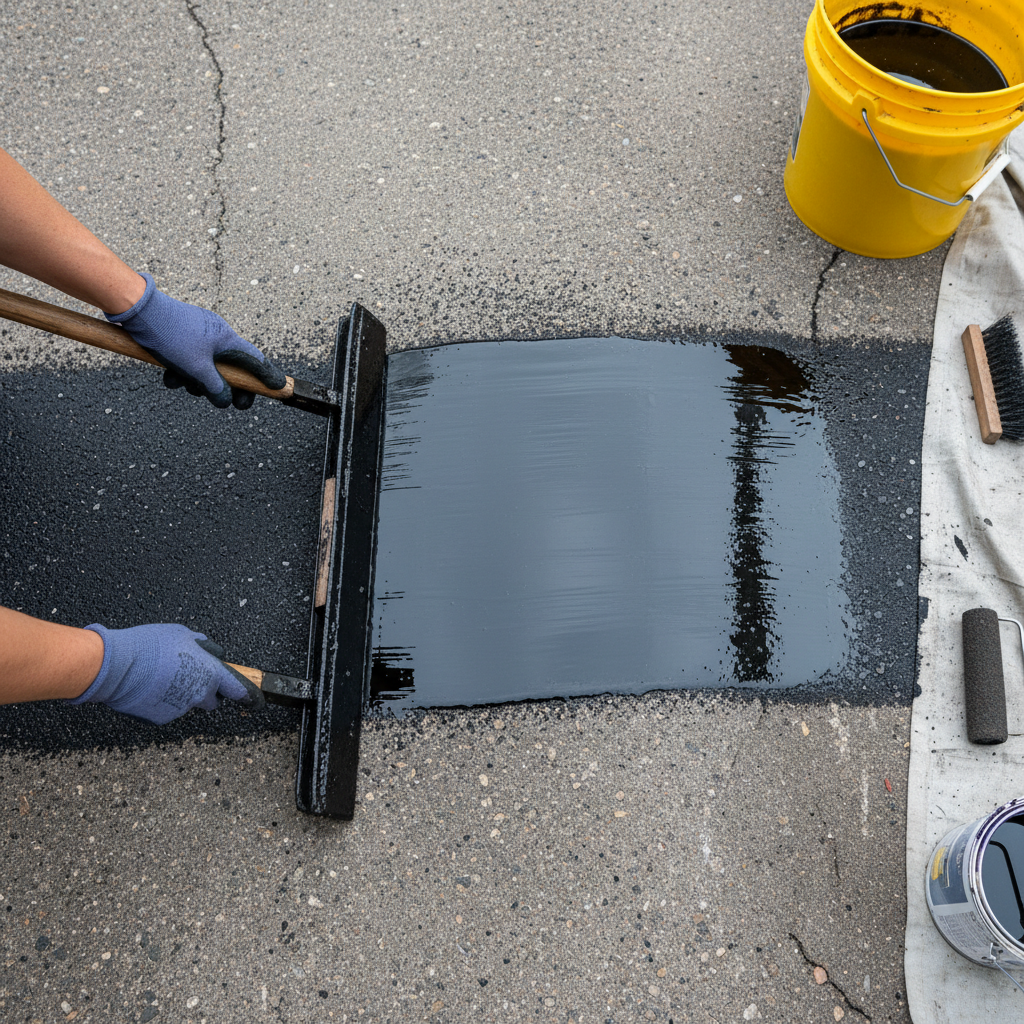
What is Sealcoating?
Sealcoating is a process that involves applying a protective layer over the existing asphalt surface. This layer acts as a barrier against water, oils, and UV rays, which can cause damage and deterioration over time. Sealcoating is typically a more cost-effective solution and is ideal for routine maintenance.
One of the primary benefits of sealcoating is its ability to enhance the appearance of your asphalt. It gives a fresh, black finish that can improve the overall look of your property. However, sealcoating does not address structural issues, such as cracks or potholes, which may require additional repairs.
Exploring Asphalt Overlay
Asphalt overlay involves adding a new layer of asphalt on top of the existing pavement. This method is more extensive than sealcoating and is used to address significant surface damage, such as deep cracks and uneven areas. An overlay can extend the life of your asphalt surface substantially, making it a more long-term solution.
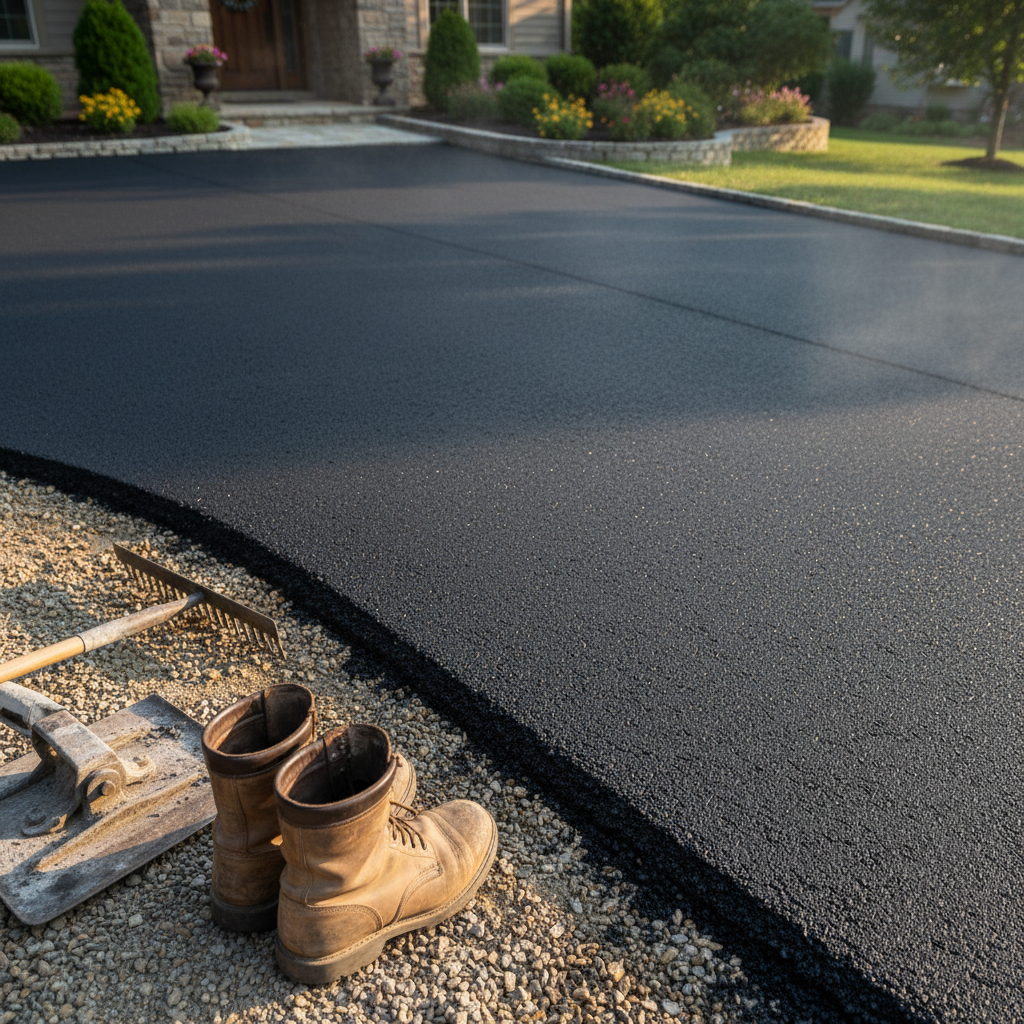
The process of applying an overlay can also enhance the strength and durability of your lot. While it is generally more expensive than sealcoating, the investment can be worthwhile if your asphalt has significant wear and tear.
Factors to Consider
When choosing between sealcoating and asphalt overlay, consider the current condition of your lot. If your asphalt is in relatively good shape with minor surface issues, sealcoating might be sufficient. However, if there are structural problems, an overlay could be more appropriate.
Budget is another essential consideration. Sealcoating is less expensive, making it suitable for regular maintenance. In contrast, an overlay requires a higher upfront cost but offers a more permanent solution to serious damage.
Frequency of Application
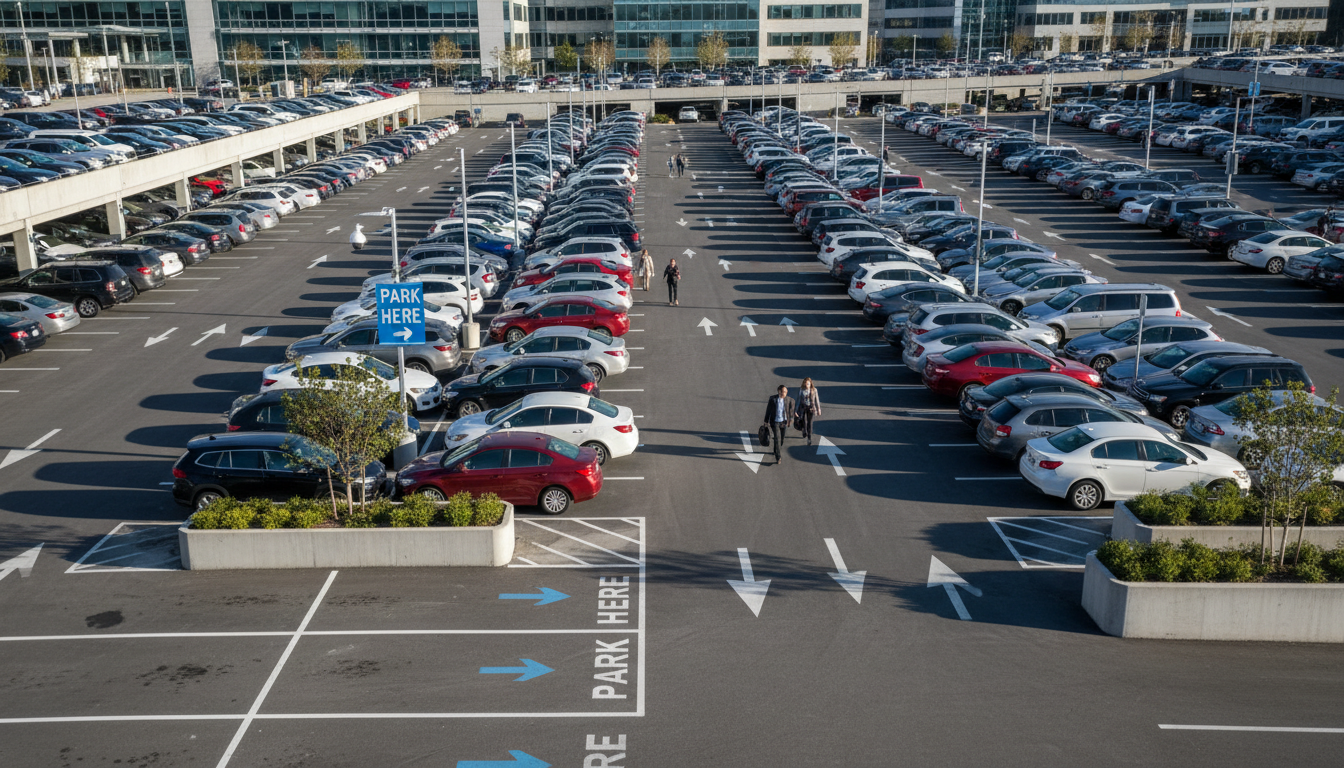
Sealcoating should generally be reapplied every 2-3 years, depending on the level of traffic and weather conditions. Regular application can prevent minor issues from escalating into significant problems. On the other hand, an asphalt overlay might last 10-15 years or more, providing a longer-lasting fix for damaged surfaces.
Making the Right Choice
Your decision between sealcoating and asphalt overlay should be based on a thorough assessment of your lot's needs. Consulting with a professional can provide valuable insights and ensure that you choose the most appropriate method for your situation.
Ultimately, both sealcoating and asphalt overlay offer unique advantages. By understanding their differences and evaluating your specific requirements, you can maintain a safe, attractive, and durable asphalt surface for years to come.