
The Importance of Traffic Signage Installation in the Twin Cities


In bustling urban areas like the Twin Cities, effective traffic signage is crucial for ensuring smooth and safe travel. From guiding drivers to informing pedestrians, well-placed signs play an integral role in maintaining order on the roads.
Enhancing Road Safety
One of the primary functions of traffic signage is to enhance road safety. Clear and visible signs help prevent accidents by providing crucial information about speed limits, upcoming turns, and pedestrian crossings. Properly installed signs can significantly reduce the risk of collisions and improve overall traffic flow.
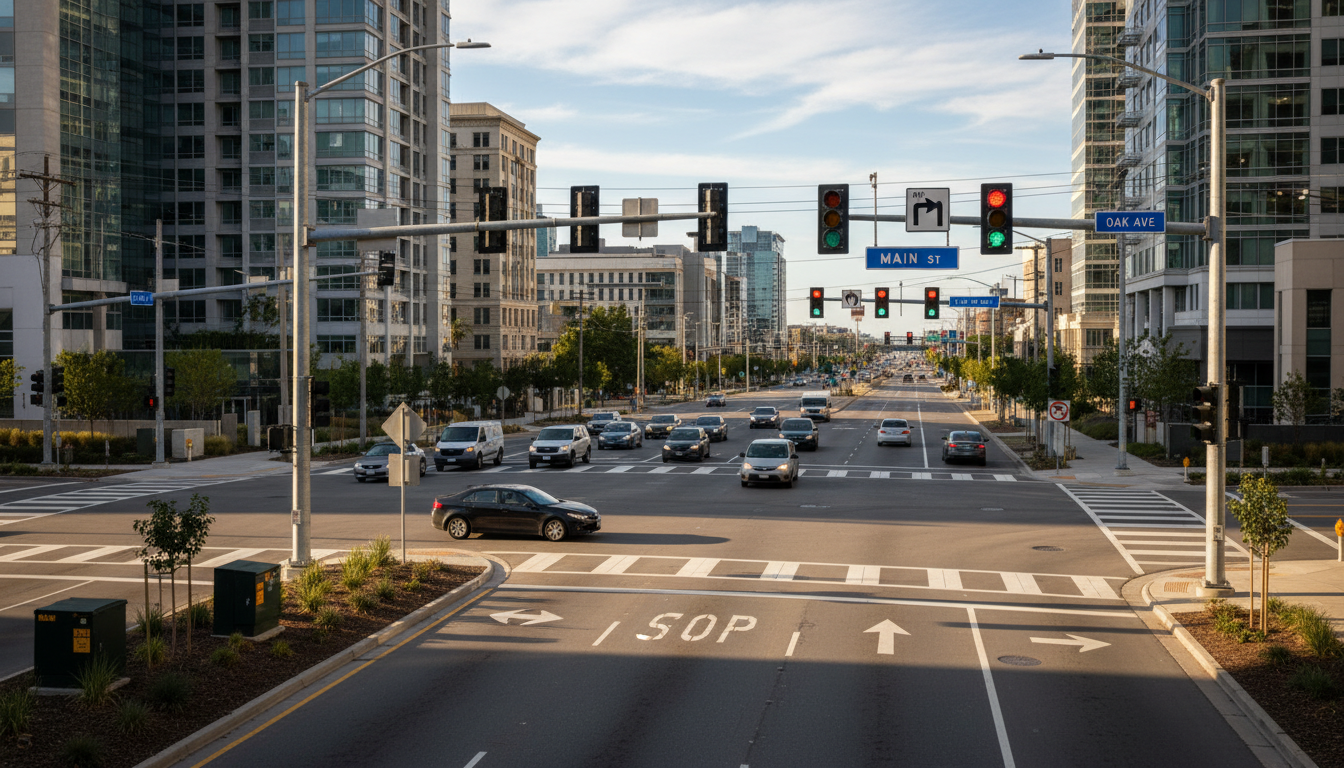
In the Twin Cities, where weather conditions can vary, durable and reflective signs are essential. These features ensure that signs remain visible even in adverse weather, helping drivers make informed decisions quickly.
Guidance and Navigation
Traffic signs are invaluable for navigation. Whether you’re a local resident or a visitor, signs guide you through unfamiliar areas, helping you reach your destination efficiently. This is especially important in a metropolitan area like the Twin Cities, where diverse neighborhoods and complex road networks can be challenging to navigate.
Effective signage includes:
- Directional signs to point out key locations and landmarks.
- Warning signs to alert drivers to potential hazards.
- Regulatory signs to ensure compliance with traffic laws.

Supporting Local Economy
Proper traffic signage also supports the local economy by facilitating the smooth transportation of goods and services. Businesses rely on efficient delivery routes, and clear signage helps reduce delays and costs associated with navigation errors or accidents.
Moreover, tourists visiting the Twin Cities benefit from well-placed signs that guide them to attractions, shopping districts, and dining establishments, boosting local businesses.
Environmental Considerations
When installing traffic signage, it’s essential to consider environmental impacts. Using sustainable materials for signs and posts can reduce the ecological footprint. Additionally, strategically placed signs can minimize the need for excessive signage, reducing visual clutter while maintaining effectiveness.

In the Twin Cities, urban planners work to balance the need for clear signage with efforts to preserve the area's natural beauty and architectural heritage.
Community Involvement
Community involvement is critical in the planning and installation of traffic signage. Residents can provide valuable feedback on signage effectiveness and suggest improvements based on their experiences. Engaging with the community ensures that signs meet the needs of all road users, including cyclists and pedestrians.
In conclusion, the installation of traffic signage in the Twin Cities is a multifaceted task that requires careful consideration of safety, navigation, economic, and environmental factors. By prioritizing effective signage, the Twin Cities can continue to support a safe and efficient transportation network for all.